
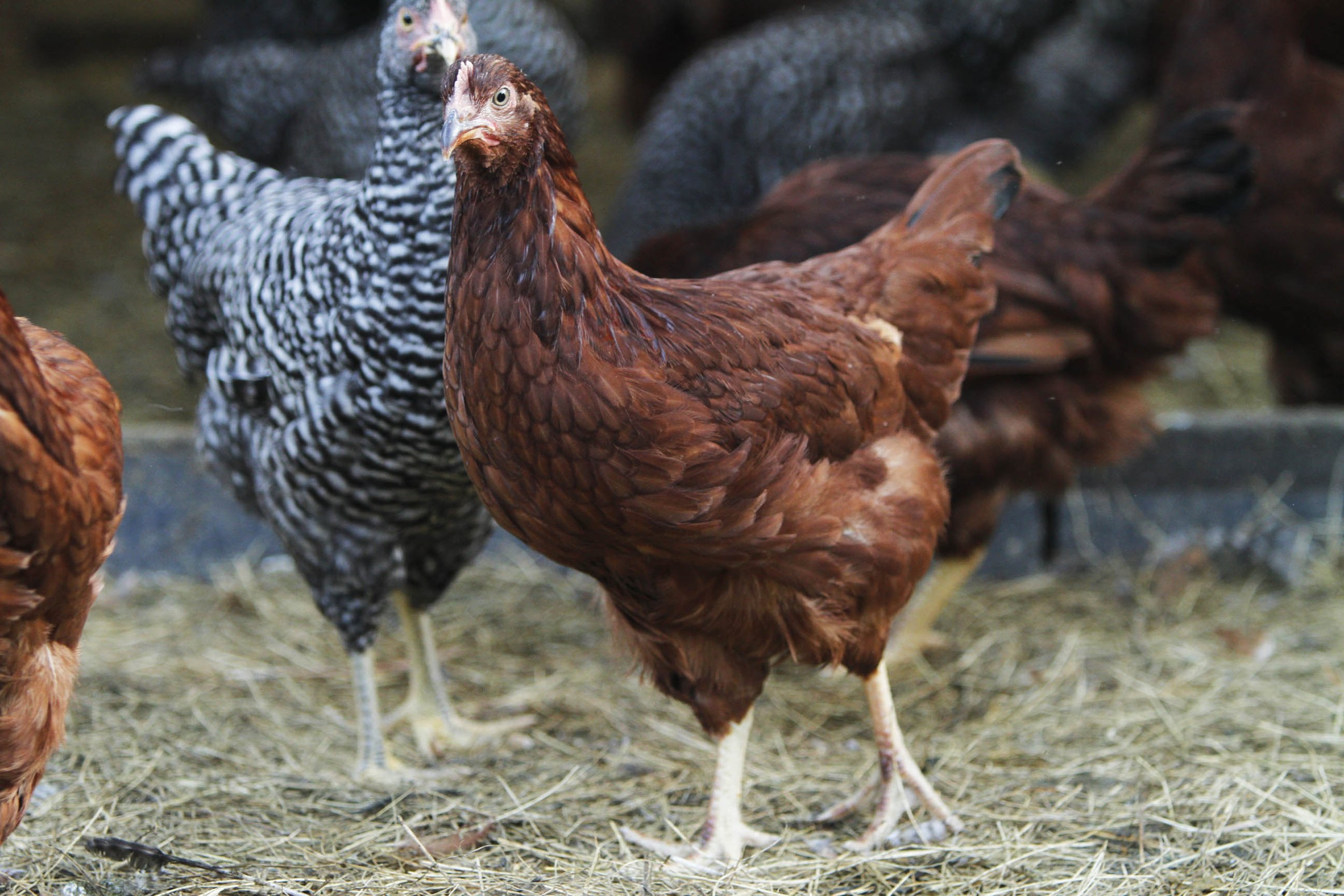
Ready to Lay
Pullet Program
Ready for Eggs?
If you need to skip the chick stage and jump right into a Backyard Flock, this program is just what your looking for. This pre-order program allows you to choose from select breeds and plan ahead to Start or Expand your flock. Each program has a specific pickup date when pullets reach 16 weeks of age.
-
At 16 weeks, a pullet (young female chicken) is entering the beginning stages of sexual maturity. While she typically won’t lay her first egg until around 24 - 30 weeks, this period marks major internal development as her reproductive system prepares for egg production. When pullets are moved to a new home too close to point of lay, the stress of relocation can disrupt their routine, delay egg production, or cause them to start laying in less-than-ideal locations. Relocating chickens to a new home before 6 - 8 weeks of point of lay is one of the best ways to ensure a smooth transition and a healthy, productive start to their egg-laying cycle.
-
Please note that different chicken breeds reach their point of lay at different ages. While the average chicken begins laying around 6 months of age, some breeds may start earlier and others a bit later. Factors such as breed type, nutrition, environment, and season can all influence when a hen will lay her first egg.
-
At 16 weeks of age, chickens have the right body mass, maturity and agility to handle the reset of a flocks social structure. (the pecking order) Introducing new pullets to an existing flock can feel intimidating, but doing it after sundown is one of the safest and most stress-free ways to blend birds together. Chickens naturally settle down at night, making them far less territorial and reactive. By morning, everyone wakes up already familiar with one another’s presence, and the flock accepts the newcomers much more easily.
Wait until full dark. Chickens have very poor night vision, so they remain calm and still once they’re on the roost.
Place the new pullets directly onto the roost or quietly inside the coop among your existing hens. The birds will settle together without the chaos that typically occurs during daytime introductions.
Provide plenty of space in the morning. Allow free-range time or open run access so birds can spread out, reducing pressure as they sort out the pecking order.
Offer multiple feeders and waterers to prevent older hens from guarding resources.
Monitor the first few days. Mild pecking is normal, but prolonged chasing or bullying should be interrupted.
RTL FAQ’s
ATTENTION!
PLEASE READ CAREFULLY BEFORE PURCHASE
All Sales Are Final
Please note that all sales are final. For our Ready to Lay Pullet Program, we do not accept refunds or exchanges under any circumstances, regardless of the specific situation that may arise. By completing your pre-ordered purchase with us today, you acknowledge and accept this policy in its entirety and without exception. Once your selections of chickens are made and purchased, you are locked into your order. This means that any changes or cancellations cannot be processed after the transaction is complete. We encourage you to confirm all details before finalizing your purchase to ensure satisfaction with your selection. Please contact us with any questions you may have about pre-order, purchase, pickup, etc… Thank you sincerely for your understanding and cooperation regarding our Ready to Lay Pullet Program sales policy.
Select a Category below:
January RTL Pullet Program
January RTL Pullet Program
Filters
No results found
No results match your search. Try removing a few filters.
