
Freedom Rangers are a favorite among backyard and pasture-based chicken keepers who want a hardy, active meat bird with excellent flavor. Slower growing than Cornish Cross but far more independent, they thrive on pasture and are ideal for homesteads focused on regenerative farming and quality meat.
Charley’s tips on raising Freedom Ranger meat birds.
Freedom Rangers are a slow-growth, pasture-oriented meat bird bred for outdoor life. They forage well, handle varied weather, and produce richly flavored meat.
Time to harvest: 9–12 weeks
Average dressed weight: 4–5.5 lbs
Temperament: Alert, active, calm
Best system: Pasture-raised or open-range
-
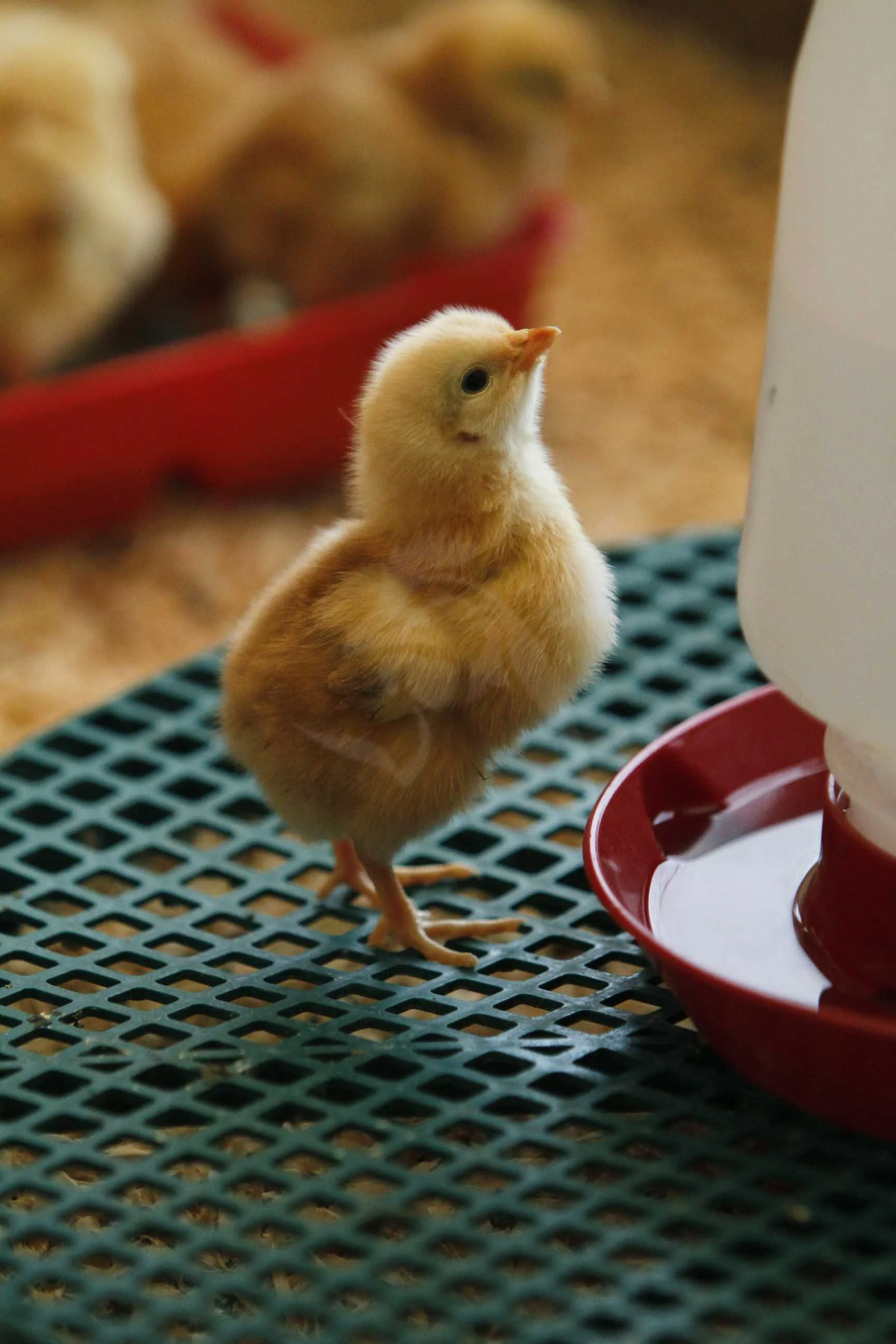
Freedom Rangers start like any chick but are often more energetic early on.
Brooder essentials
Start at 95°F, reduce 5°F weekly
Dry pine shavings for bedding
1 sq ft per chick
Fresh water at all times
20–22% protein starter feed
They feather a bit slower than Cornish Cross, so maintain warmth until fully feathered.
-
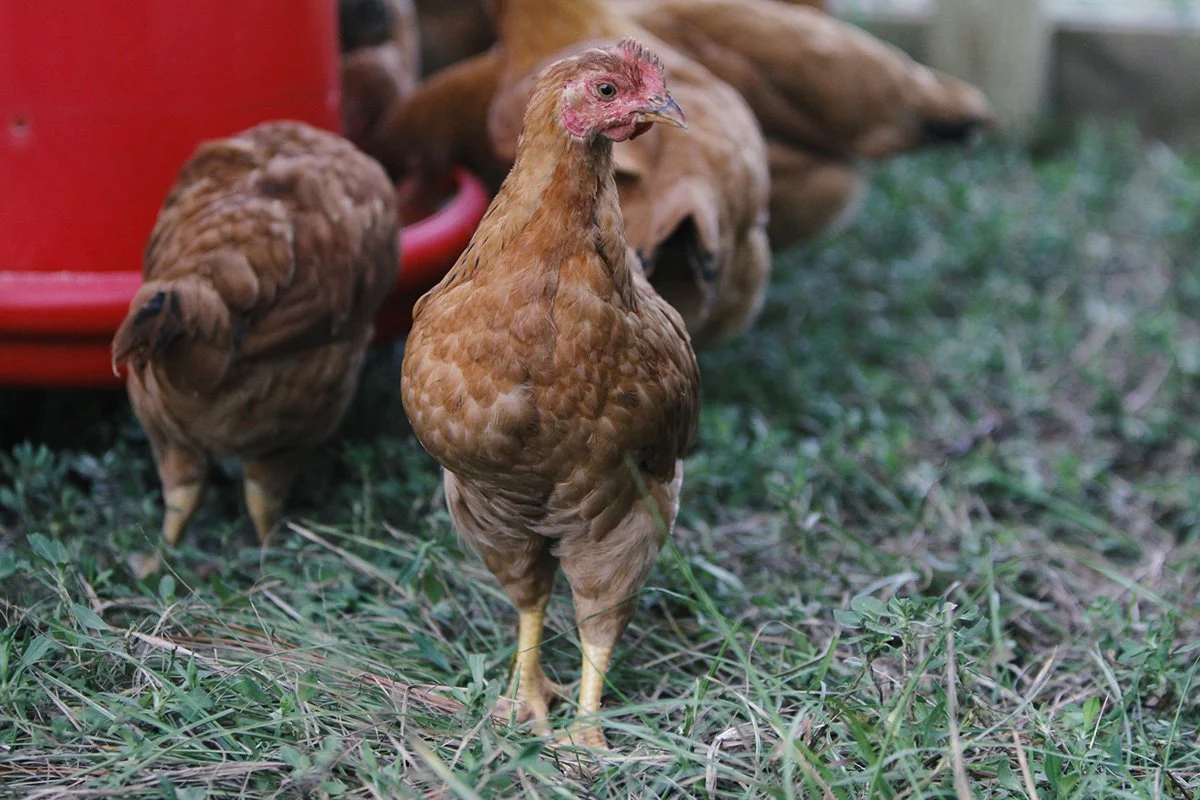
Freedom Rangers grow at a natural pace and are excellent foragers.
Feeding plan
Weeks 0–4: Starter feed (20–22% protein)
Weeks 5–harvest: Grower or finisher (18–20%)
Feed consumption
Expect 14–18 lbs of feed per bird to harvest
Pasture access only slightly reduces feed costs but greatly improves meat quality
Unlike Cornish Cross, feed restriction is not usually necessary.
-
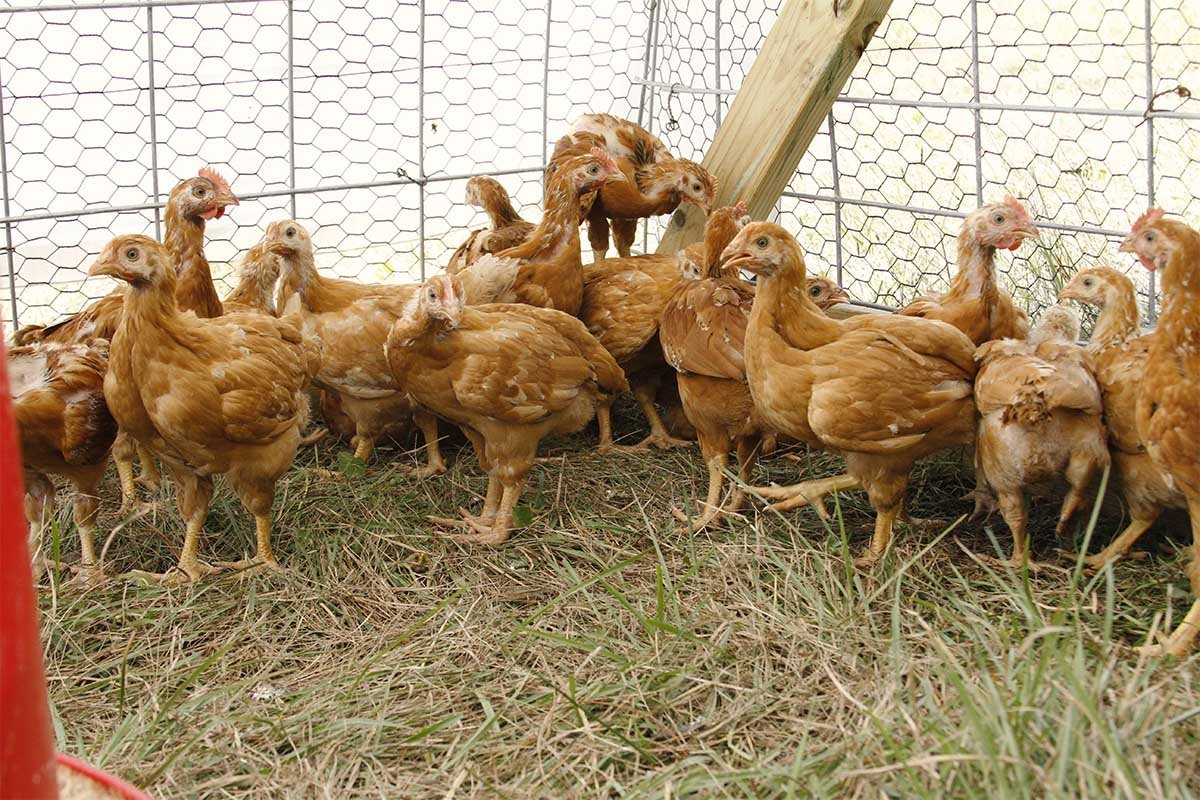
This is where Freedom Rangers shine.
Housing options
Chicken tractors
Mobile range coops
Open-range with predator protection
Space needs
2–3 sq ft per bird in pens
Daily or every-other-day moves for fresh grass
They stay active, roam farther, and stay healthier with space to move.
-
Freedom Rangers are known for strong legs and hearts.
Key benefits
Lower mortality rates
Excellent heat tolerance
Fewer leg issues
Naturally active birds
Provide shade, airflow, and clean water—especially in hot weather.
-
Freedom Rangers are typically processed at 10–12 weeks.
What to expect
Leaner carcass than Cornish Cross
Firmer texture
Outstanding flavor, especially for roasting and grilling
They are often preferred by chefs and homesteaders who value taste over speed.