Quick Stats:
Egg Production: 225 per year (avg)
Egg Size: Large
Egg Color: Sage / Olive Green
Mature Weight: Hens 5lbs - 6lbs
Breed Type: Hybrid Layer
Breed Category: Standard Breed
Temperament: Docile/Active
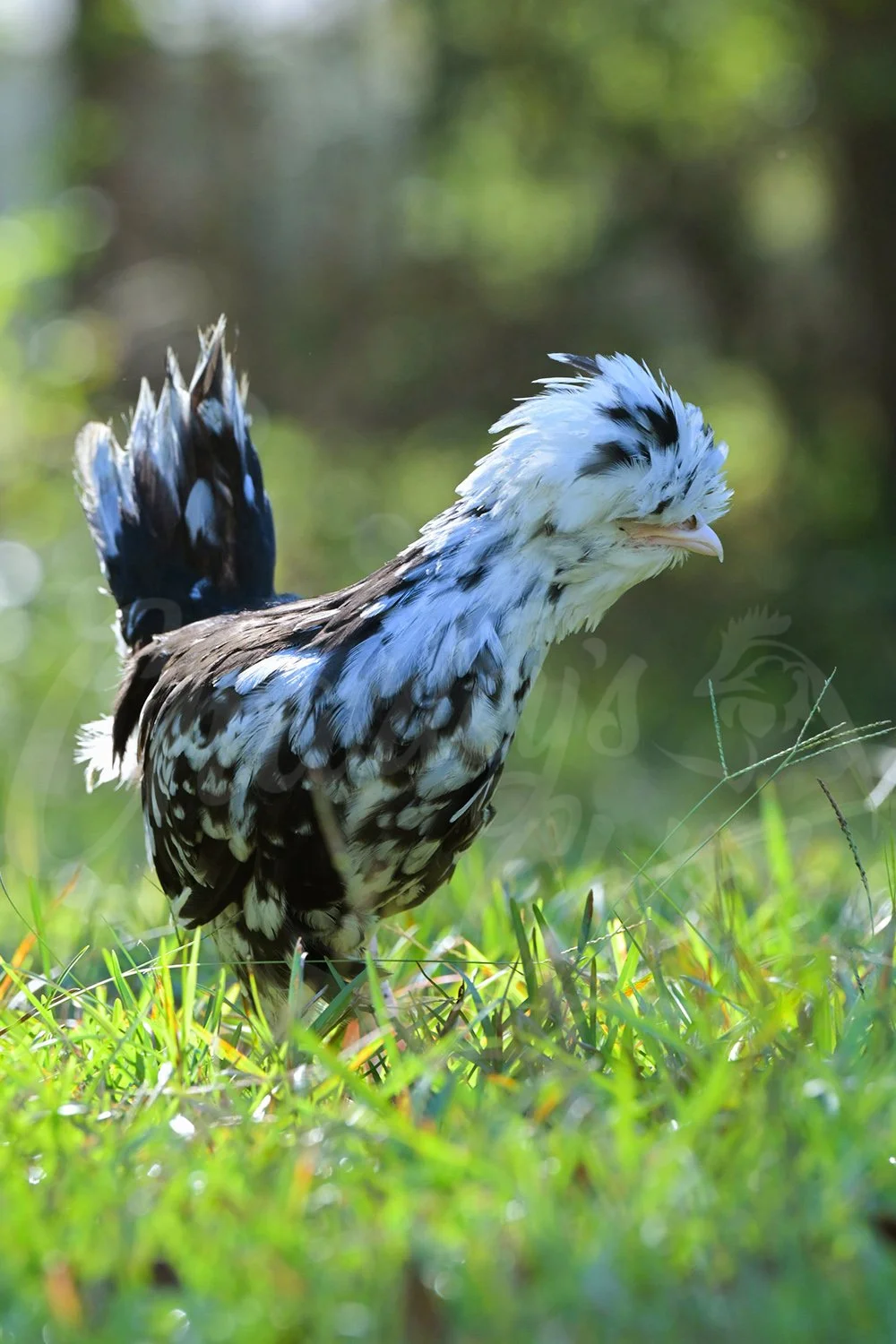
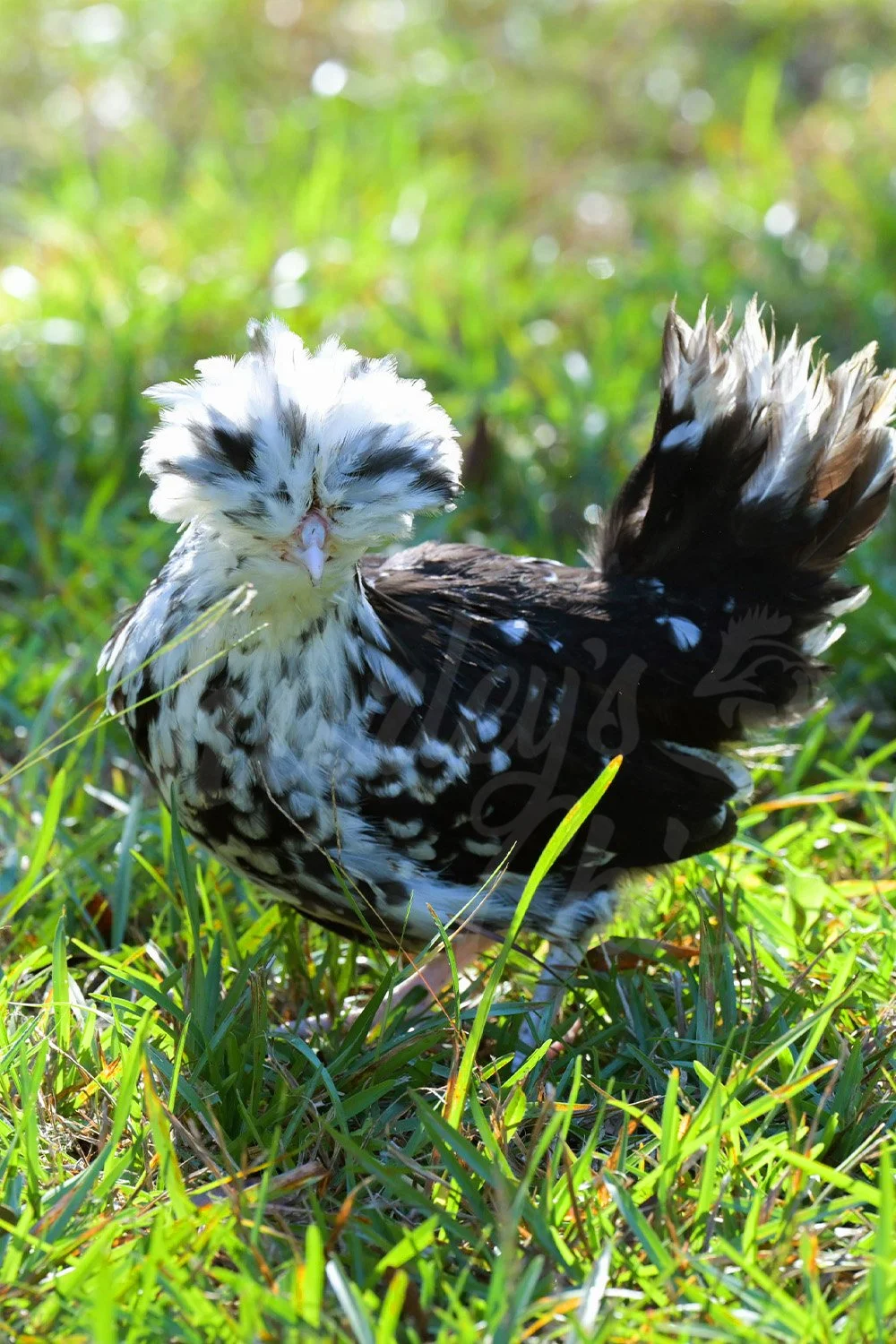
The Crested Olive Egger is a colorful and unique hybrid chicken developed by crossing birds that carry blue egg genetics with breeds that produce dark brown eggs. The goal is to create hens capable of laying beautiful olive, moss, or green-toned eggs while also adding the distinctive crest commonly associated with breeds such as Cream Legbars, Polish, or other crested blue-egg layers. Because Crested Olive Eggers are hybrids rather than a standardized breed, their appearance, egg color, and exact genetic background can vary considerably from one breeding line to another.
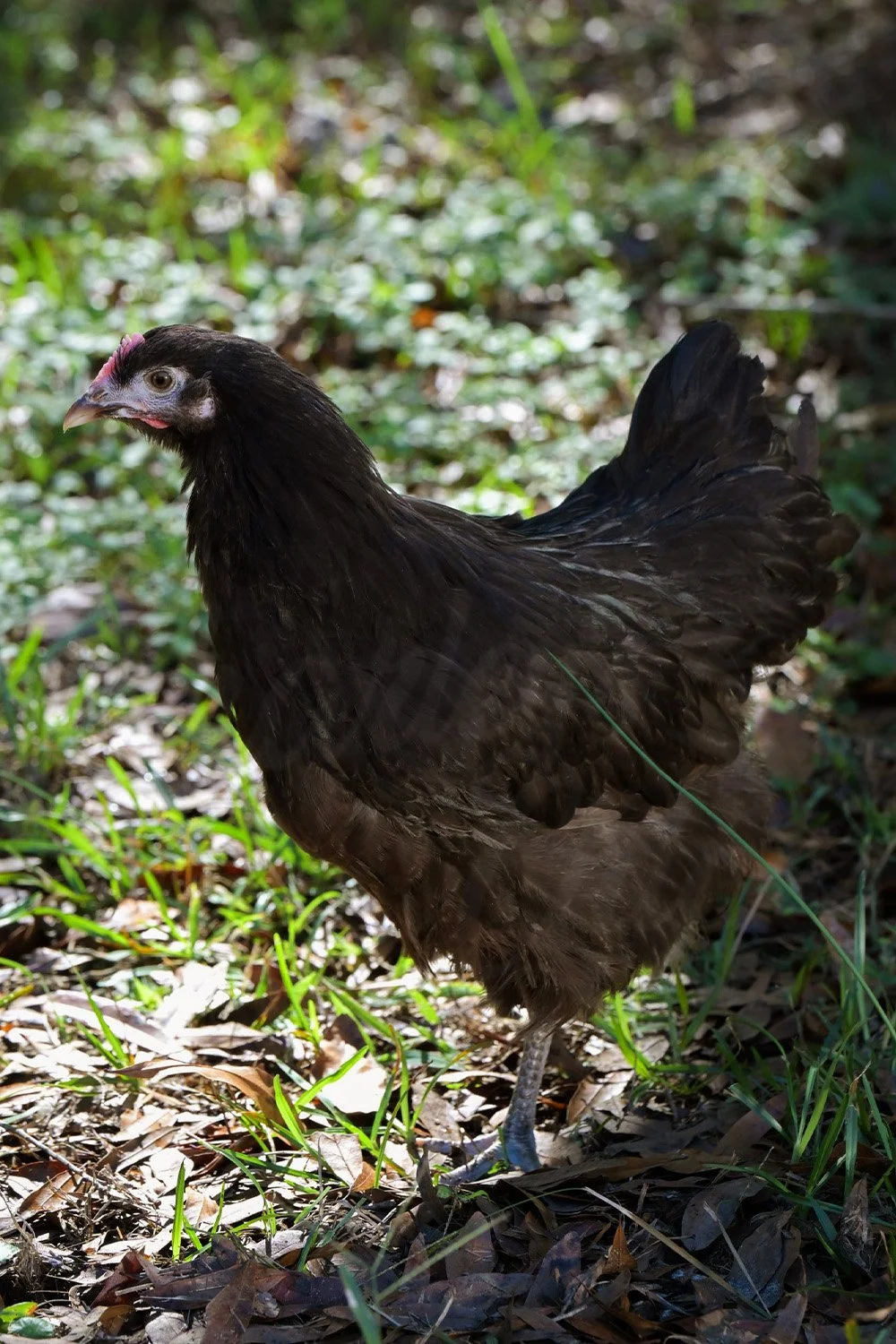
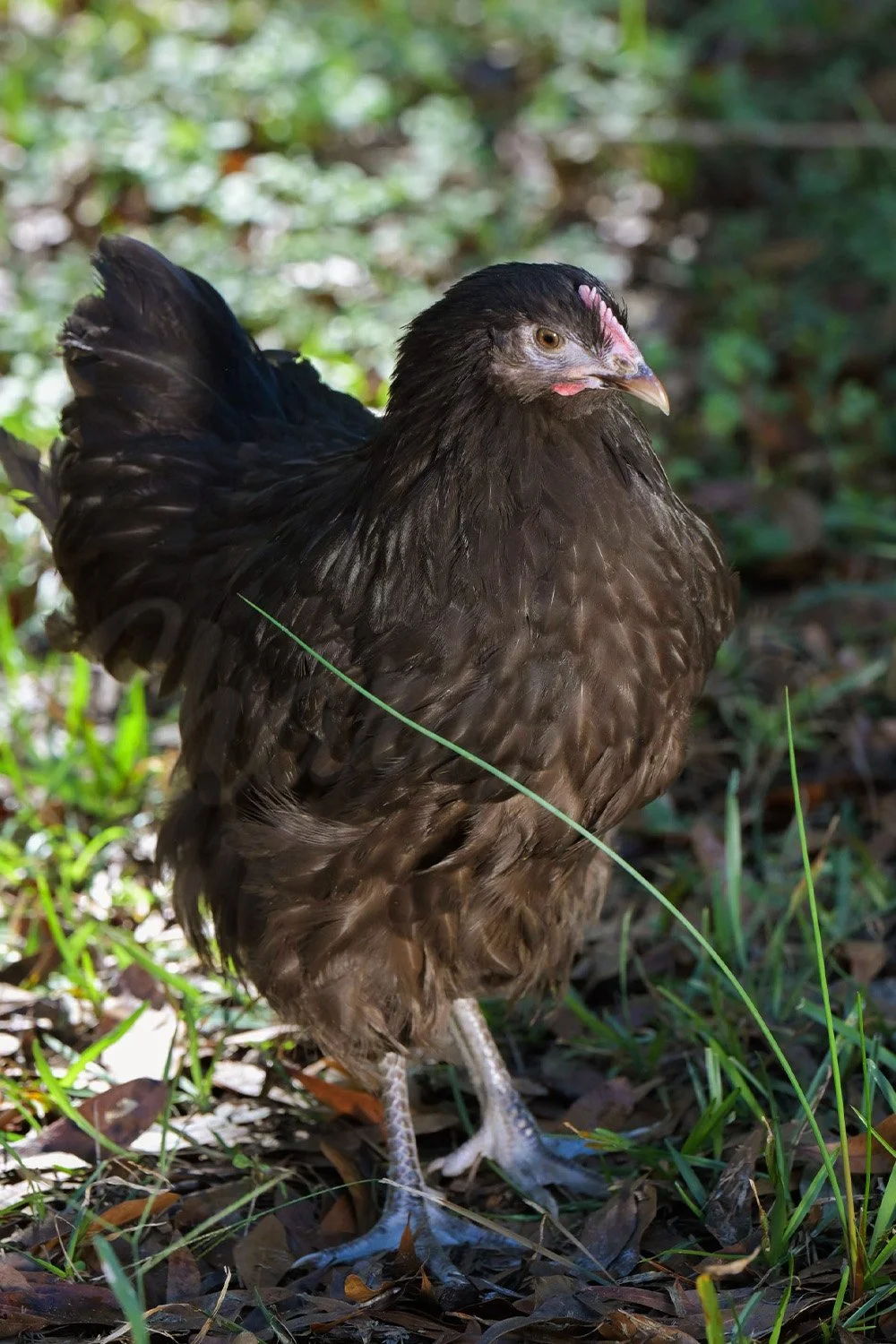
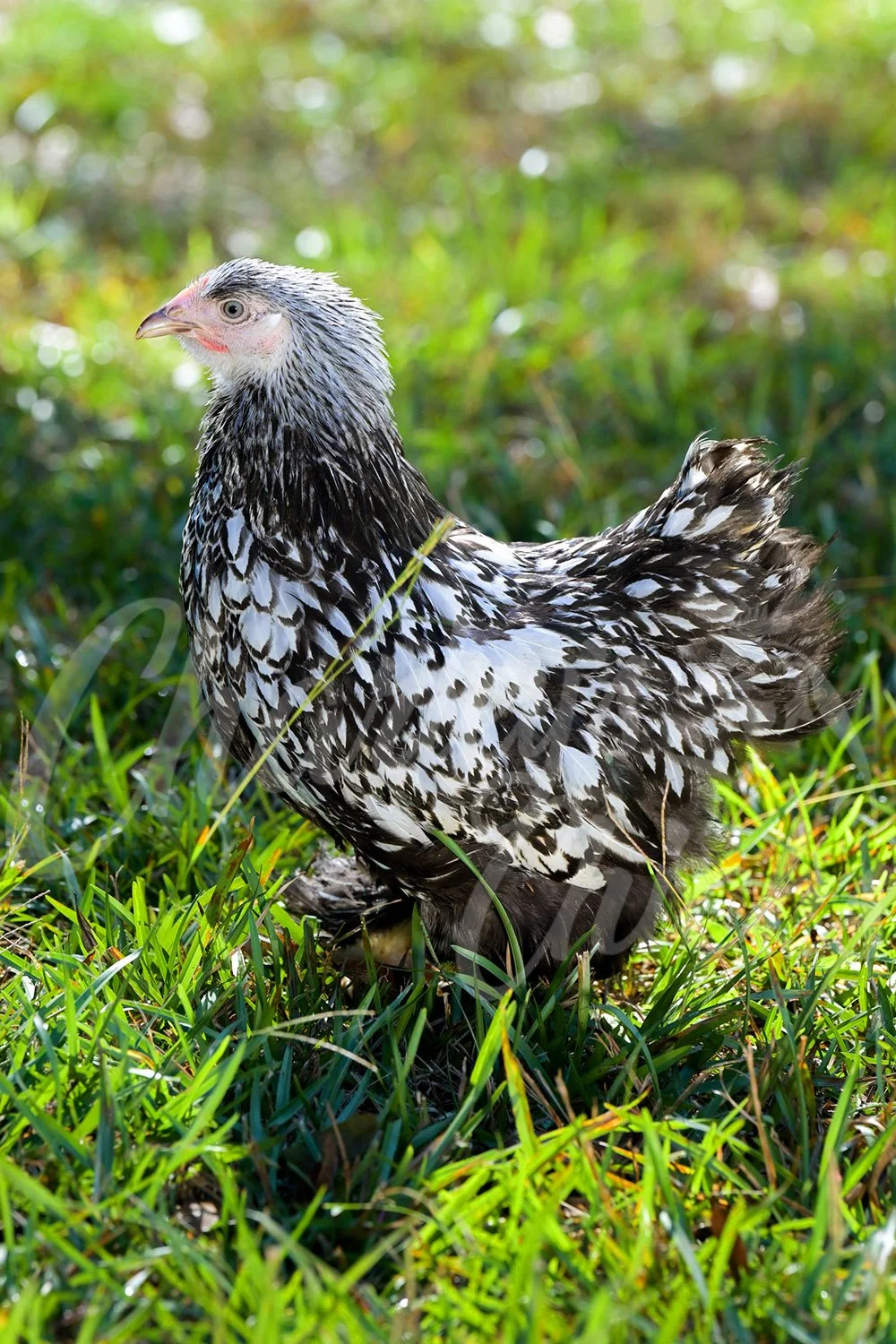
Crested Olive Eggers are especially known for their unusual appearance. Many develop a noticeable feather crest on top of the head along with a wide range of plumage colors, including black, blue, gray, brown, cream, and combinations of several colors. That variation is part of what makes each bird so different.
Known for being curious, active, and generally friendly, Crested Olive Eggers are a great addition to backyard flocks and mixed-breed collections. Their personalities can vary somewhat because of their mixed genetics, but many are alert, intelligent birds that enjoy foraging and exploring. With regular handling, they often become comfortable around people and can make entertaining and personable members of the flock.
Crested Olive Egger hens typically produce approximately 225 eggs per year, depending on their individual genetics. Their eggs are the main attraction, ranging from sage and olive green to deeper mossy shades, sometimes with brown speckling or a darker bloom over the shell. Because egg color comes from combining blue shell genetics with brown pigment, the exact shade can vary significantly from hen to hen.
No two birds are guaranteed to look or lay exactly alike, which makes them especially appealing to chicken keepers looking to build a colorful and unique egg basket.

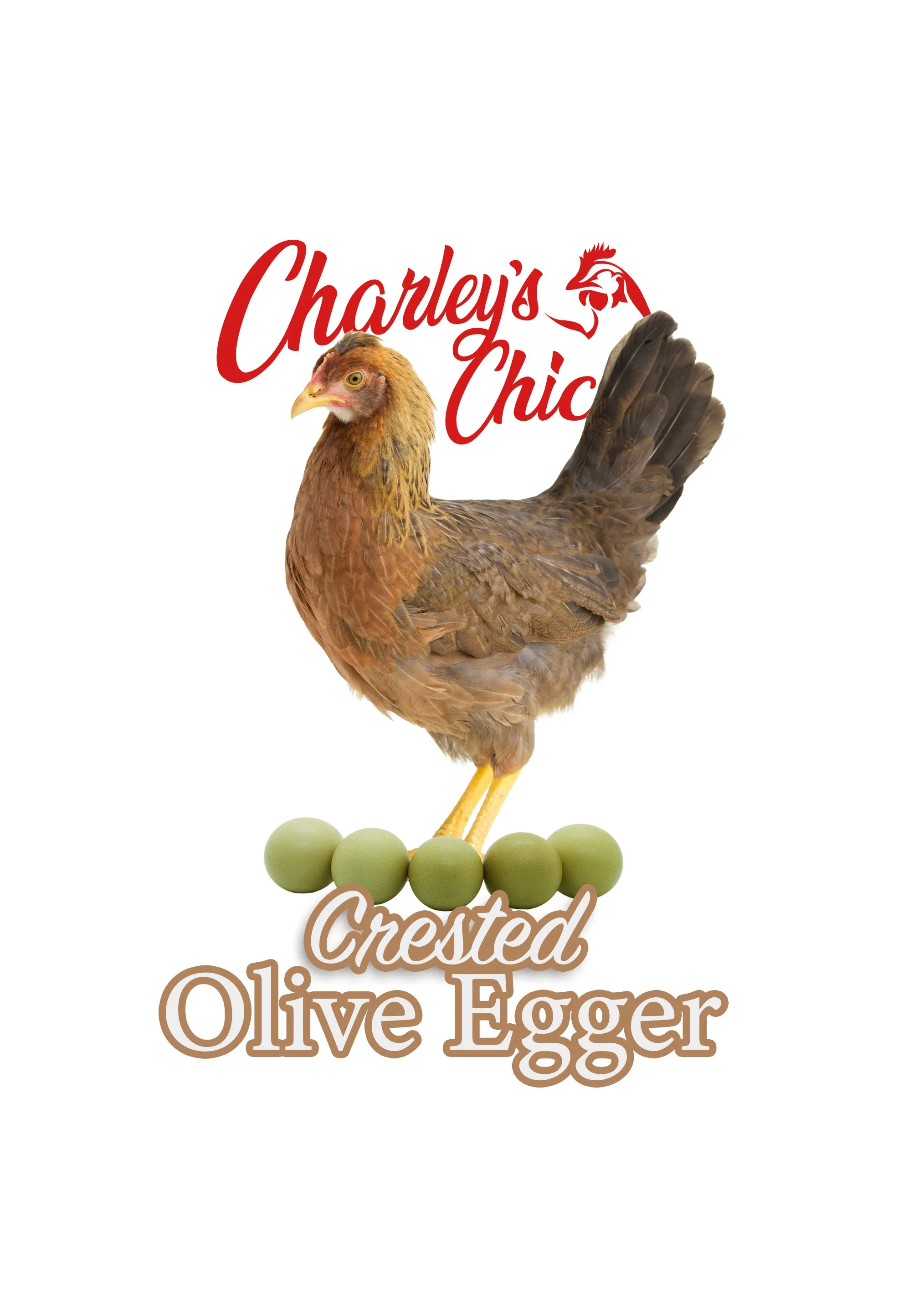 Image 1 of 3
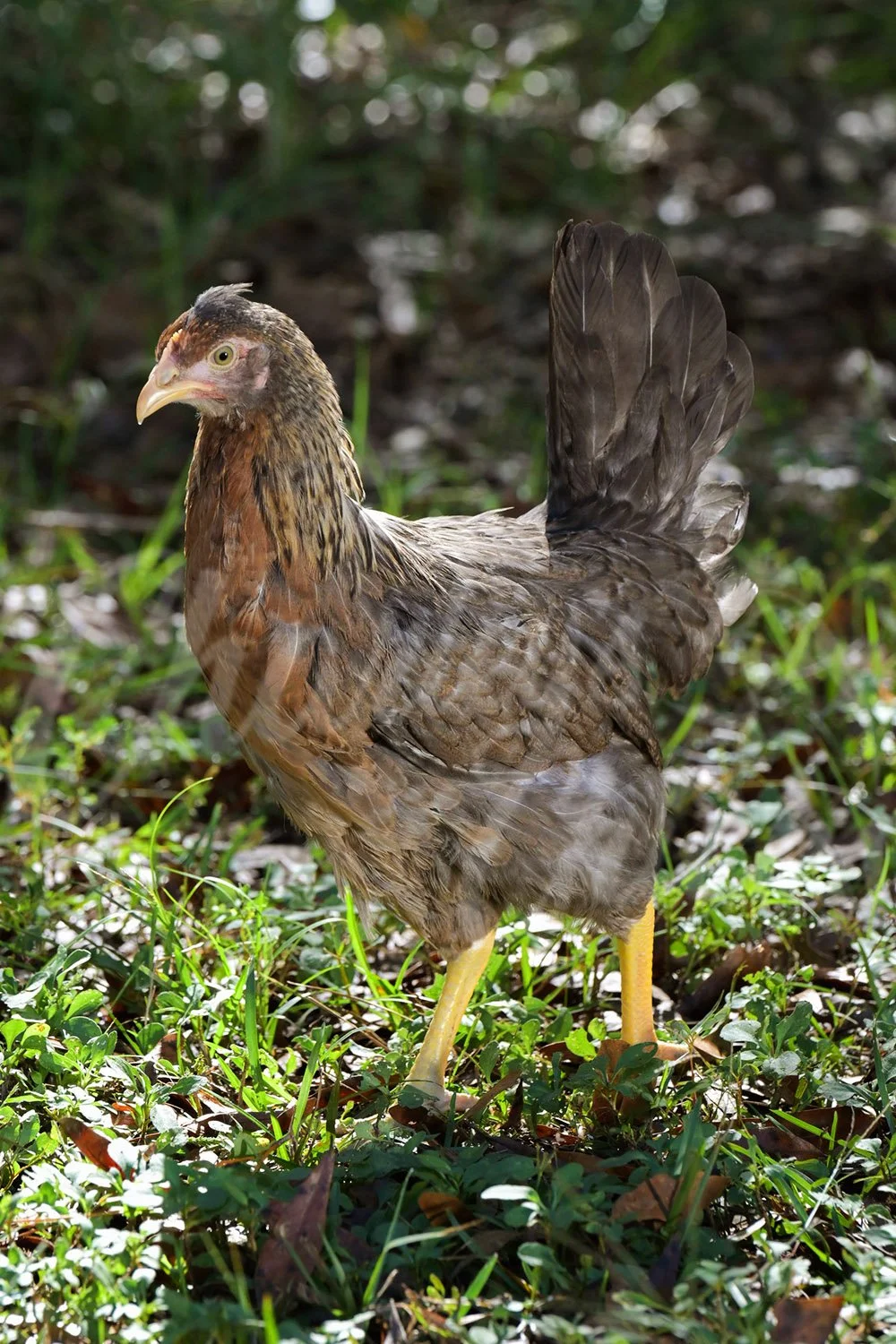 Image 2 of 3
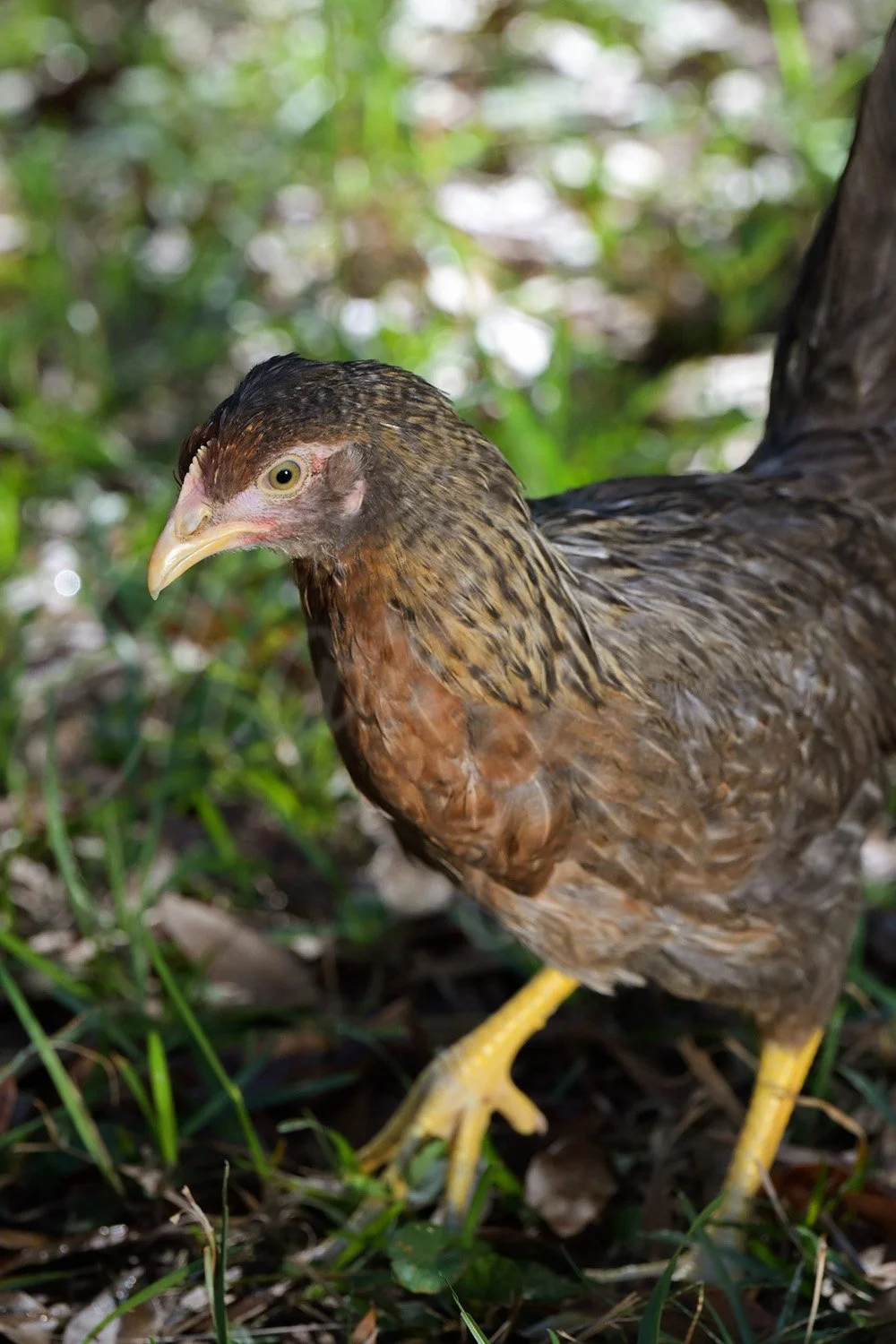 Image 3 of 3